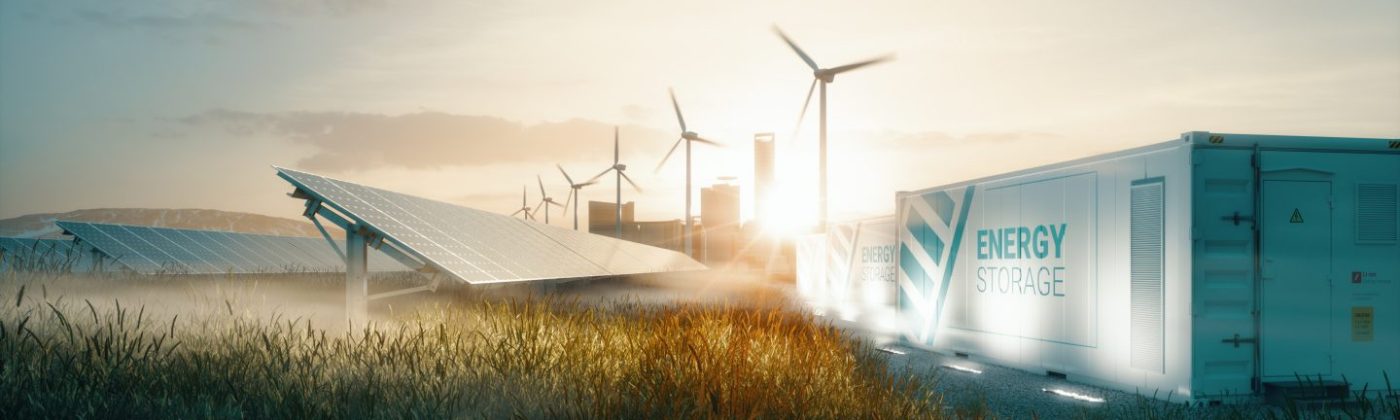
Especially in an energy system increasingly dominated by volatile RES generation, the seasonal (!) shifting of structural (!) summer surpluses into the winter period is a key challenge. This is increasingly common sense.
I believe the solution to this challenge comprises variety of measures: due to good reason reference is made to the storage potential of the increasing fleet of battery electric vehicles; also the dynamic development in the field of batteries and the effect of electricity network expansion are important to consider.
However, when considering these measures it is important to keep an eye on the actual “dimension” of this challenge. Various studies and analyses expect for Austria and the planned RES generation in 2030 the requirement to shift around 10 TWh between the winter and the summer season.
Based on this background, the key role of sector coupling electricity / gas becomes inevitable. You ask yourself why? Easily explained with some examples:
These 10 TWh correspond to:
- the battery capacity of 100 million Tesla Model S LR vehicles (currently in total 5 Mio. passenger cars in Austria)
- 700,000 times the capacity of the largest battery storage system in AT (VERBUND Blue Battery with 14,2 MWh capacity)
- approx. 3 times the existing pumped storage storage potential in AT
- but only about 10% of the existing. AT gas storage volume

Consequently: regardless of whether it will actually be 10, 15 or “only” 5 TWh which will have to be seasonally shifted, I am convinced that a comprehensive electricity / gas sector coupling will be needed.
 reshaping.energy
Leave a comment